🛒 Recommended Gear
As an Amazon Associate, we earn from qualifying purchases. These are products we genuinely recommend.
Introduction
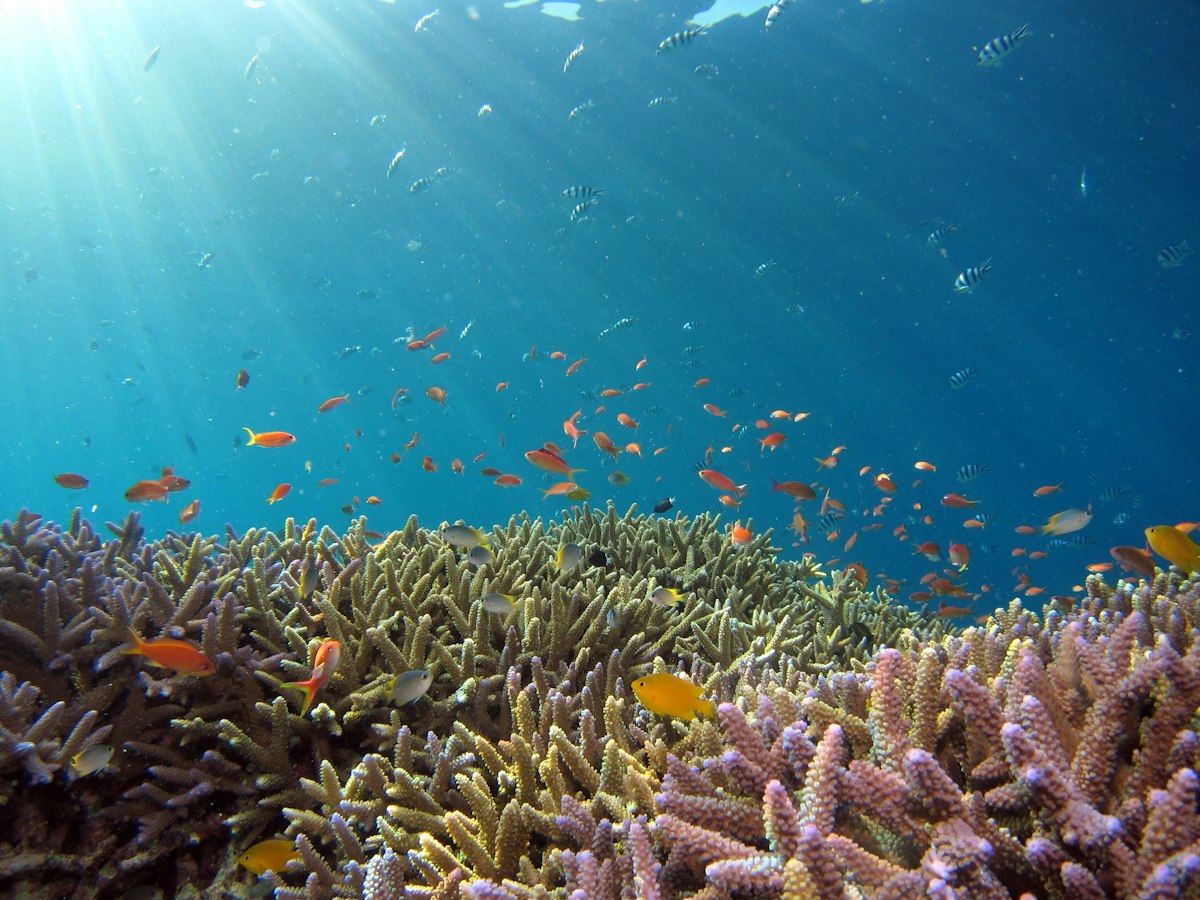
The Great Barrier Reef is the largest living structure on Earth—visible from space, stretching 2,300 kilometers along Australia's northeast coast. It's a UNESCO World Heritage site comprising 2,900 individual reefs and 900 islands. For divers, it represents the ultimate bucket-list destination: crystal-clear waters, incredible biodiversity, and dive sites ranging from shallow coral gardens to deep walls and famous wrecks. This guide helps you plan a trip that matches your experience level and interests.
Where to Base Yourself
Cairns: The most popular gateway. Offers the widest range of day trips and liveaboards. Best for first-time GBR divers. Access to Outer Reef sites like Flynn, Milln, and Thetford reefs.
Port Douglas: Quieter than Cairns, closer to the Ribbon Reefs (prime minke whale territory). Better for experienced divers seeking less crowded sites.
Townsville: Gateway to the central GBR and the SS Yongala wreck. Best for wreck divers and those seeking a more local, less touristy experience.
Heron Island / Lady Elliot Island: Resort islands on the reef itself. Shore diving available—uncommon for the GBR. Excellent for families and snorkelers.
Best Time to Visit
June-August (Winter): Best visibility (30-40+ meters), cooler water (24-26°C/75-79°F), lower humidity on land. Peak season—book early.
September-November (Spring): Excellent conditions, warmer water (26-28°C). Dwarf minke whales visit the Ribbon Reefs in June-July—special expeditions available.
December-March (Summer): Stinger season. Jellyfish (box jellyfish and Irukandji) require full-body stinger suits. Water warmest (28-30°C). Risk of cyclones.
April-May (Autumn): Good visibility returns, fewer crowds, comfortable temperatures. An underrated time to visit.
Types of Diving
Day trips: 2-3 dives from large, stable boats. Good for casual divers or those prone to seasickness. Sites are closer to shore—30-90 minute boat rides.
Liveaboards: 3-7 day trips to outer reefs. Access better sites with less crowding. Minimum 10-12 dives. Best value for serious divers.
Resort diving: Heron Island and Lady Elliot offer shore diving. Multiple dives per day at your own pace. Excellent for photographers.
Liveaboard routes: The "Spirit of Freedom" and "Mike Ball Dive Expeditions" offer itineraries to the Ribbon Reefs, Cod Hole, and Osprey Reef (shark diving).
Marine Life to Expect
The GBR hosts 1,500+ fish species, 400 types of coral, and countless invertebrates. Expect to see: Clownfish and anemones on shallow reefs, Maori wrasse (some over 6 feet long), White-tip and black-tip reef sharks, Giant clams up to 4 feet across, Manta rays at cleaning stations, Turtles (green, hawksbill, loggerhead), and Dwarf minke whales (June-July only).
🤿 Did You Know?
The Great Barrier Reef is the only living structure on Earth visible from space, stretching over 2,300 kilometers (1,400 miles).
💡 Pro Tips
• Book liveaboards 6+ months in advance for peak season
• Bring a reef-safe sunscreen - regular sunscreen damages coral
• Consider a stinger suit even outside stinger season for sun protection
• Pack sea sickness medication - the crossing can be rough
• Bring your own dive computer - rental gear is basic
• Get nitrox certified - most operators offer nitrox fills